
July 28 marks World Nature Conservation Day. Often, when we think of environmental and biodiversity protection, our minds wander to vast, pristine forests, coral reefs, or distant national parks. But the true challenge of our century is also—and above all—fought right where we live: in the heart of our cities.
An extraordinary example of how nature can reclaim its spaces, transforming urban gray into a living ecosystem, is the Orti Dipinti project in Florence.
What is Orti Dipinti? An Oasis in the Concrete
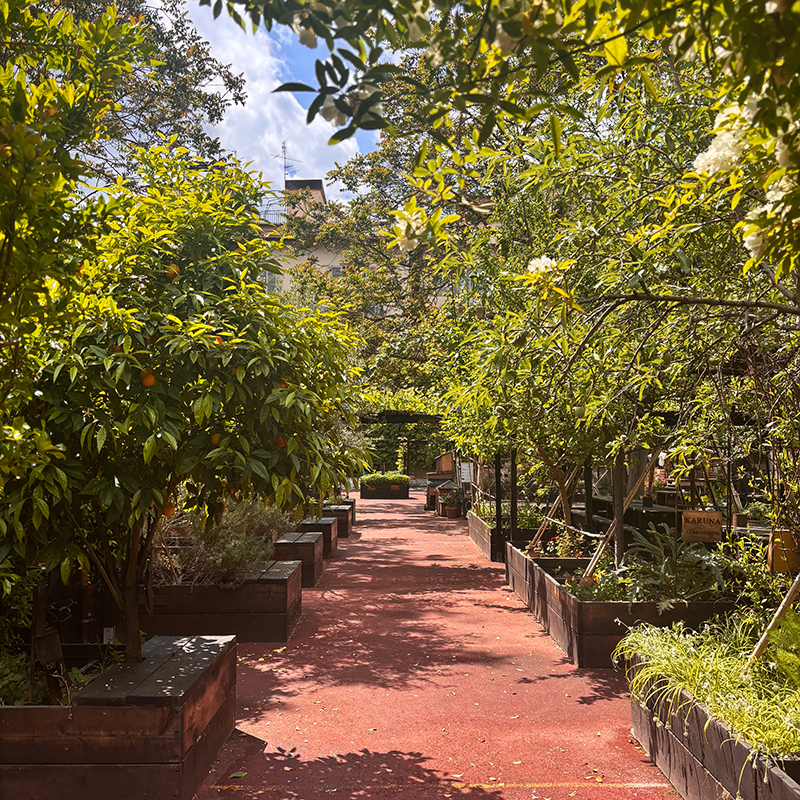
Built on the site of a former athletic track, Orti Dipinti is not just an urban garden, but a true laboratory for sustainability and biodiversity.
In this space, the soil never actually touches the concrete ground: everything grows in raised beds and specialized containers, proving that cultivating life is possible anywhere, even where it once seemed impossible.
This place perfectly embodies the spirit of July 28: conservation doesn’t just mean “fencing off and protecting,” but also regenerating and rebuilding what has been lost.
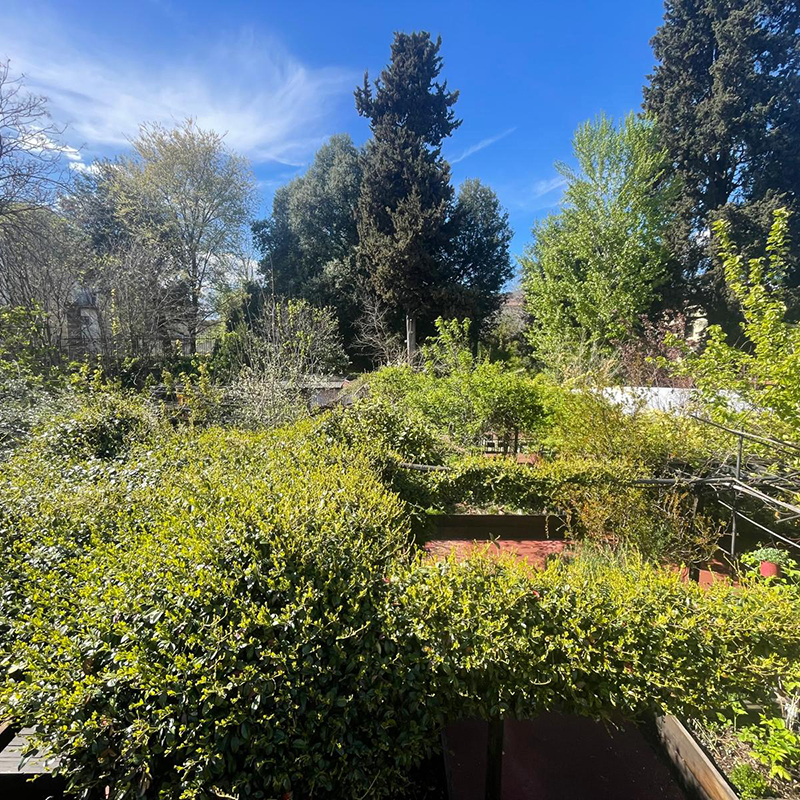
A Cradle for Biodiversity: Flora and Fauna in Synergy
Orti Dipinti acts as a magnet for life. By creating an ideal microclimate, the space helps protect biodiversity on two closely interconnected fronts:
1. Flora: Ancient Species and Bee-Friendly Plants
Growing organic vegetables, aromatic herbs, and nectar-rich flowers means creating a true open-air gene bank. This plant variety attracts pollinating insects (bees, butterflies, bumblebees) that find a safe haven here, free from pesticides and rich in nutrients.
2. Fauna: The Return of Birds to the City
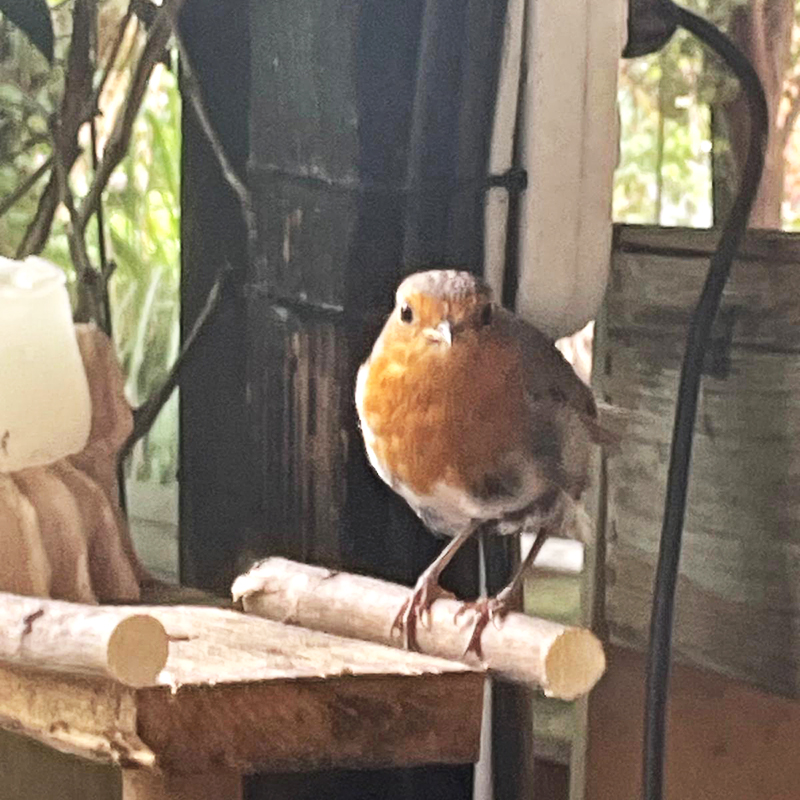
Small birds have reappeared in the Orti Dipinti space, which serves as a vital “stopover station” within the urban green network, allowing them to move, feed, and repopulate the surrounding neighborhoods.
Sparrows, robins, great tits, and blackbirds are progressively abandoning historic city centers due to a lack of food and shelter. Spaces like this reverse the trend thanks to:
- Natural food: Constantly available insects, seeds, and small berries.
- Safe shelter: Shrubs and structures offering protection from predators and urban chaos.
- Water: Crucial drinking and bathing stations, especially during the hot summer months.
Cultivating the Future
On World Nature Conservation Day, the experience of Orti Dipinti sends us a clear message: protecting the planet begins with our daily, shared actions.
Bringing birds back to the city, making bees buzz among the buildings again, and getting our hands dirty with soil is not just a gardening exercise. It is an act of ecological resistance—proof that a greener, healthier, and more biodiverse future is already here, within our reach. We just need to plant the first seed.